NEW SEASON COMING SOON
The last of this season’s RAW+® is now on offer.
The next harvest is on its way. Shop this season’s remaining RAW+® bottles at reduced prices while stocks last or join the waitlist to hear when the new season arrives.
The next harvest is on its way. Shop this season’s remaining RAW+® bottles at reduced prices while stocks last or join the waitlist to hear when the new season arrives.
Extra virgin olive oil can fit a liver-friendly Mediterranean diet. Learn what human research shows and how to build a practical daily routine.
Perhaps a routine blood test has come back with a raised liver enzyme. Perhaps a scan has mentioned fat in the liver. Or perhaps you simply want to look after an organ that works quietly in the background every day.
Extra virgin olive oil can be a positive part of a liver-friendly diet. The strongest evidence supports using it within a Mediterranean-style pattern built around vegetables, pulses, whole grains, nuts, fish and minimally processed food.
Your liver processes nutrients, stores energy and performs hundreds of jobs. Its health is influenced by the whole picture, including diet, activity, body weight, alcohol, medicines and metabolic health.
That is why current European clinical guidance for metabolic dysfunction-associated steatotic liver disease, often shortened to MASLD, focuses on overall diet quality. The 2024 EASL, EASD and EASO guideline recommends a pattern similar to the Mediterranean diet, while limiting ultra-processed foods rich in sugars and saturated fat and avoiding sugar-sweetened drinks.
A liver-friendly plate does not need to feel clinical.
Try building it in four parts:
1. Start with vegetables, salad or fruit.
2. Add protein from beans, lentils, fish, eggs, yoghurt, tofu or another minimally processed source.
3. Include a high-fibre carbohydrate such as oats, wholegrain bread, brown rice or potatoes with their skins.
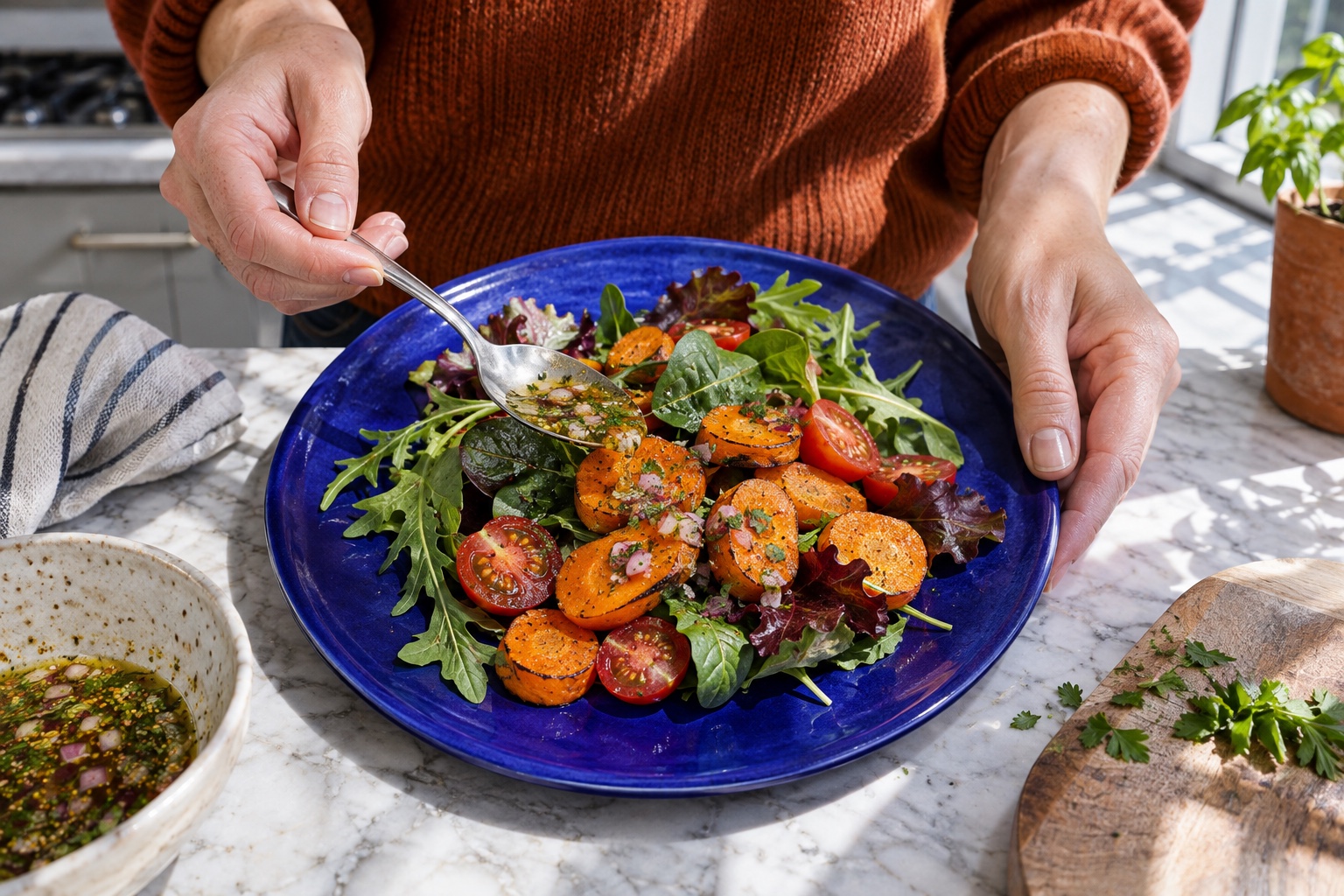
4. Use extra virgin olive oil to cook, dress or finish the food.
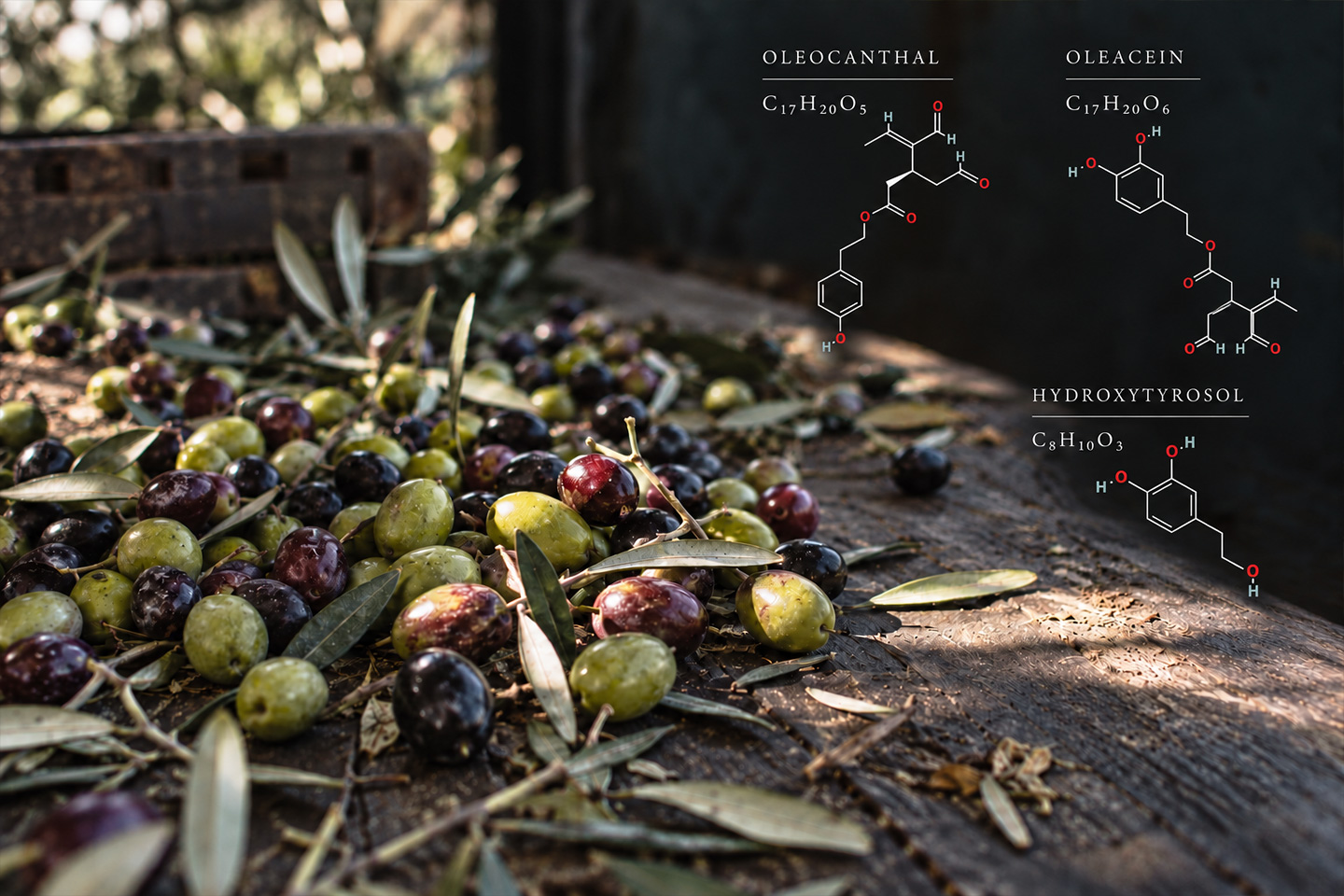
Extra virgin olive oil can contain naturally occurring olive polyphenols. Their amount varies between oils, which is why batch testing matters when polyphenol content is part of your reason for choosing a bottle.
Qualifying olive oil polyphenols have an authorised benefit: olive oil polyphenols contribute to the protection of blood lipids from oxidative stress. The claim applies to oils containing at least 5 mg of hydroxytyrosol and its derivatives, including oleuropein complex and tyrosol, per 20 g of oil. Consumers must be told that the beneficial effect is obtained with a daily intake of 20 g of olive oil. The current wording and conditions are recorded in the Great Britain nutrition and health claims register.
Extra virgin olive oil is a strong choice for a liver-friendly diet when it helps you build and repeat a Mediterranean-style pattern. Human studies give encouraging evidence for reductions in liver fat, while current clinical guidance supports the wider approach.
Use it with vegetables, pulses, whole grains and fish. If consistency matters to you, make a measured daily shot one visible part of the routine. Keep the whole plate working around it.
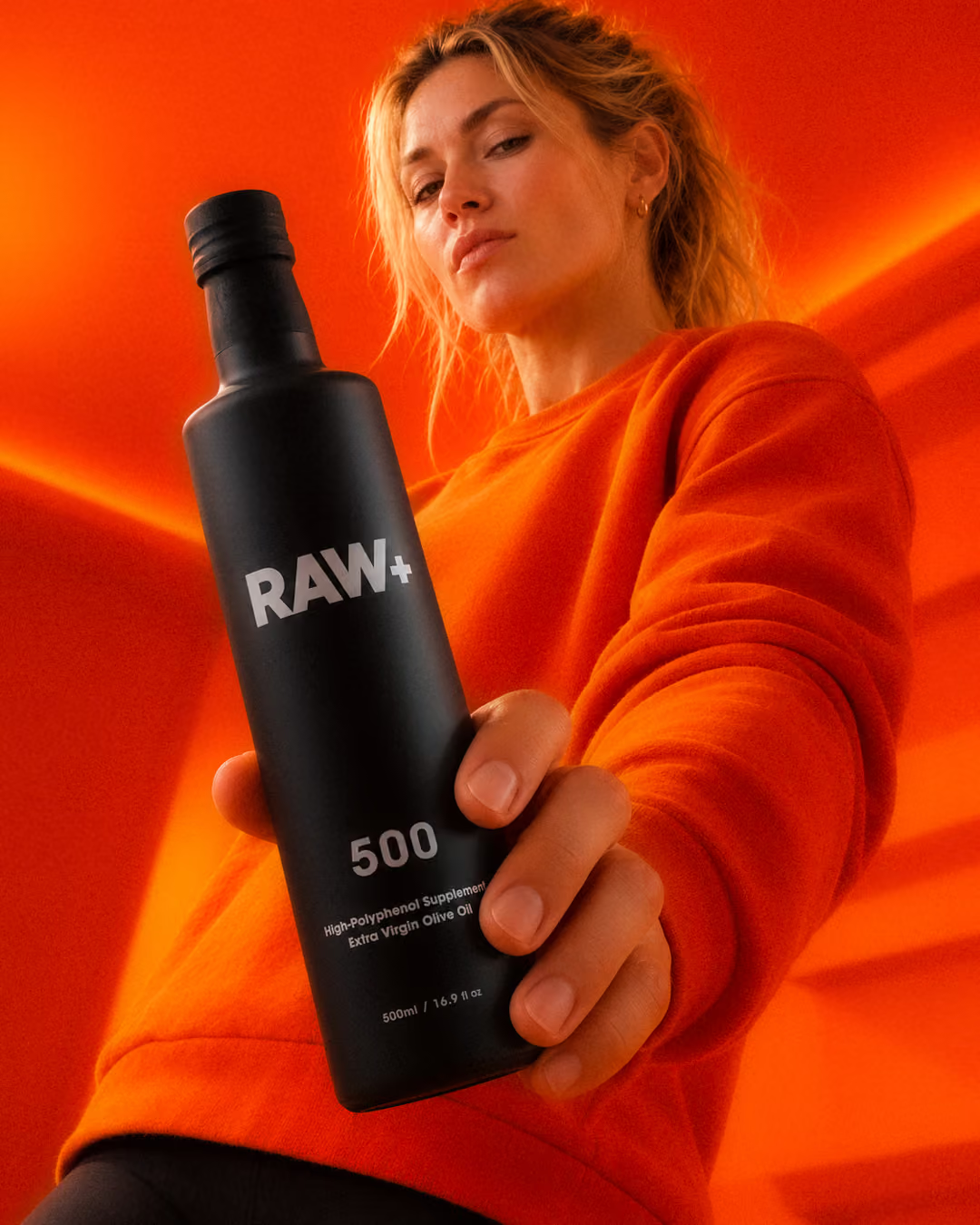
Compare three strengths of batch-tested, high-polyphenol extra virgin olive oil.
Shop the range