NEW SEASON COMING SOON
The last of this season’s RAW+® is now on offer.
The next harvest is on its way. Shop this season’s remaining RAW+® bottles at reduced prices while stocks last or join the waitlist to hear when the new season arrives.
The next harvest is on its way. Shop this season’s remaining RAW+® bottles at reduced prices while stocks last or join the waitlist to hear when the new season arrives.
Cold extraction is a useful olive oil quality signal, but not proof of high polyphenols. Learn what the label means and what to check next.
Two bottles can both say “extra virgin”. One adds “cold extracted”. The other leads with a large polyphenol number. Which detail should matter if you want an oil that keeps more of the olive's natural compounds?
Cold extraction is a positive quality signal because it limits the extraction temperature, but it does not prove that an oil is high in polyphenols. Think of it as one careful step in a longer chain. The olives, harvest timing, speed to the mill, mixing conditions, oxygen exposure, storage and final batch result all matter too.
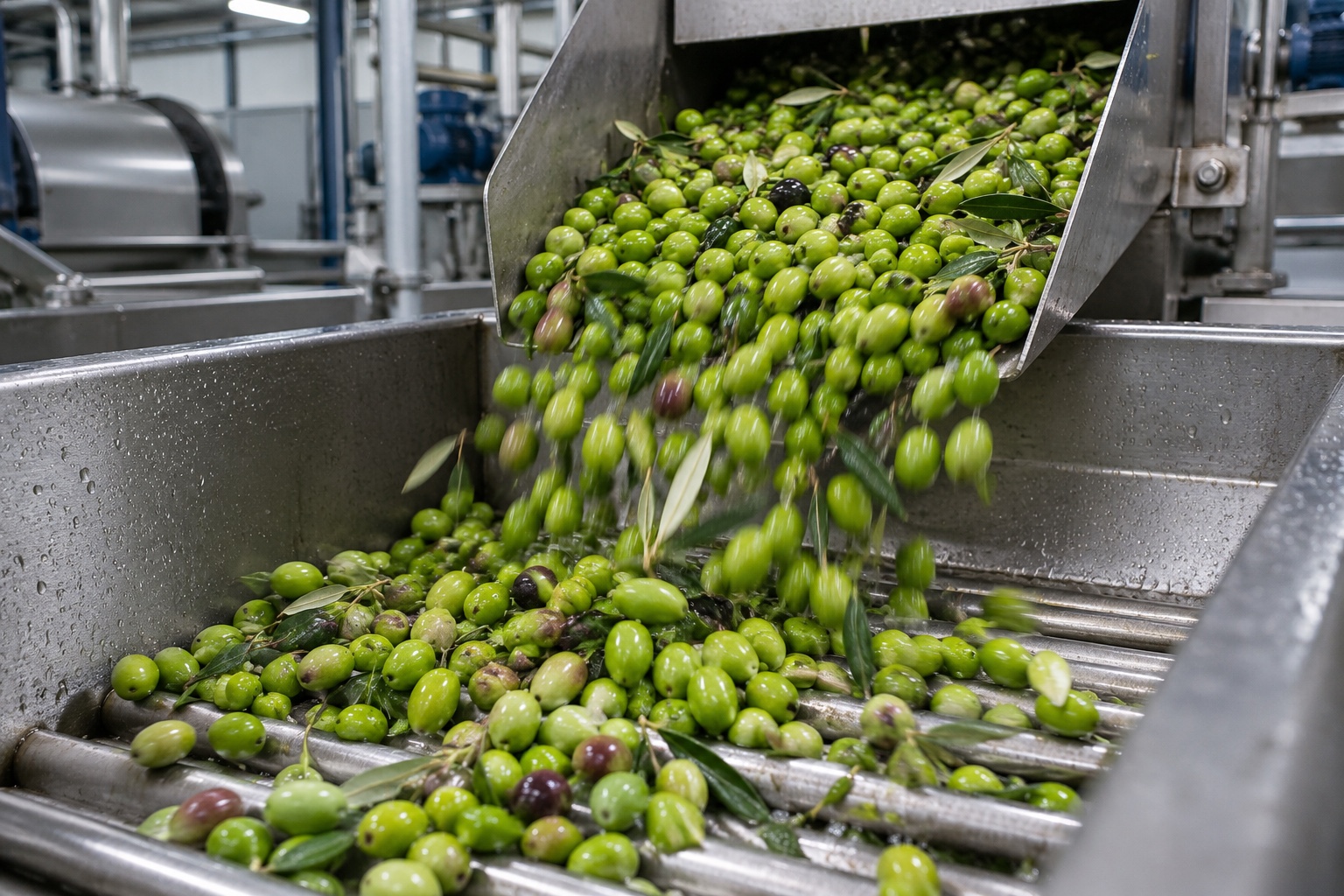
Making olive oil begins by crushing olives into a paste. That paste is gently mixed in a stage called malaxation, which helps tiny oil droplets join together before the oil is separated.
For extra virgin and virgin olive oils sold in the UK, government labelling guidance says “cold extraction” can describe oil obtained below 27°C by percolation or centrifugal extraction from olive paste. “First cold pressing” is reserved for traditional mechanical pressing below 27°C.
Temperature matters because milling is a balancing act. The producer wants oil droplets to come together efficiently while protecting flavour and the compounds that make an excellent extra virgin olive oil distinctive.
The simple story would be that colder always means more polyphenols. The real process is more interesting.
No. “Cold extracted” does not equal a particular result in mg/kg.
Polyphenol concentration begins with the fruit and changes across harvesting, milling, filtration and storage. Two oils produced below 27°C can therefore finish with very different phenolic profiles.
You do not need to become a mill technician. Use a simple buying sequence:
Cold extraction is a useful clue; batch testing tells you what reached the bottle.
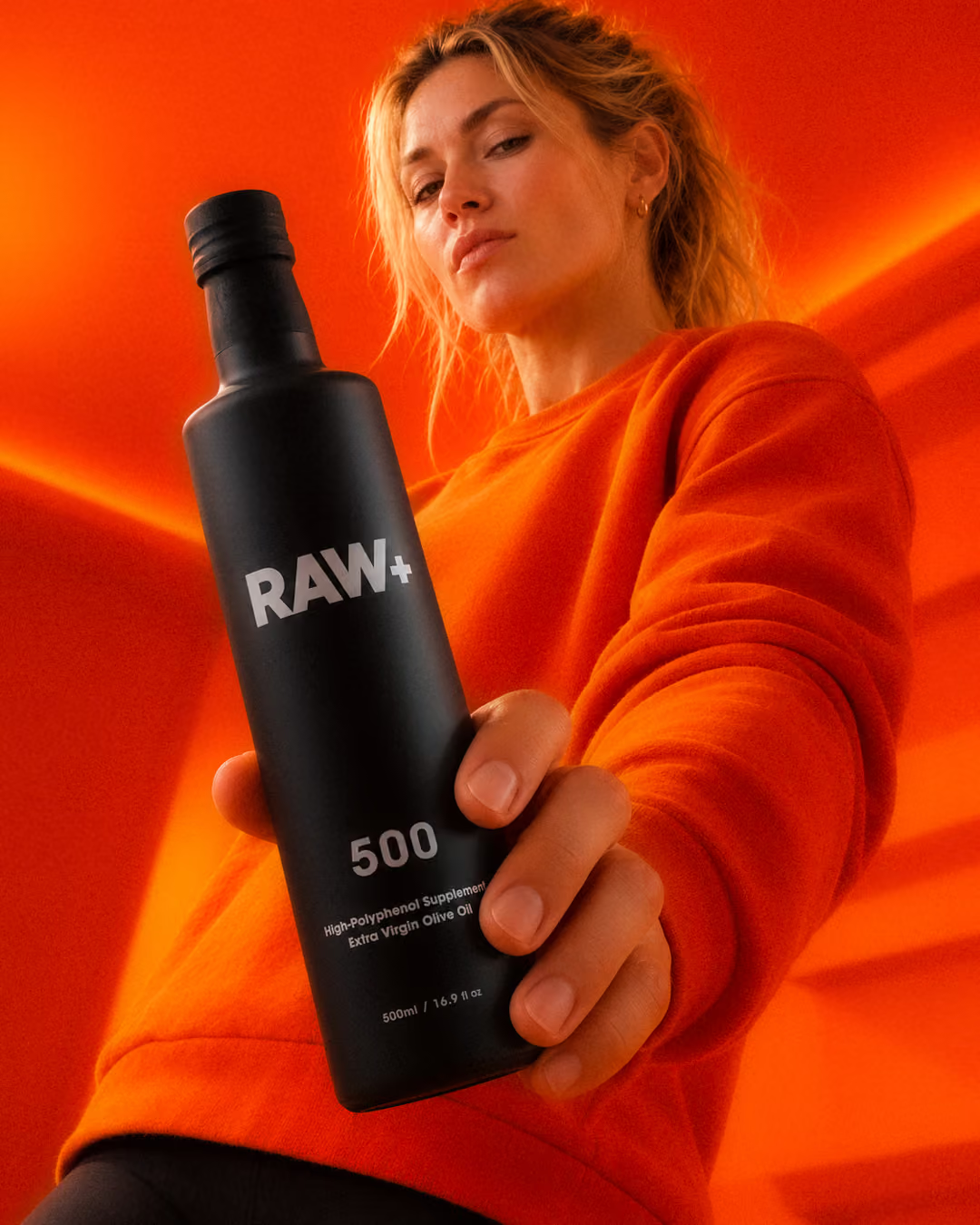
Compare three strengths of batch-tested, high-polyphenol extra virgin olive oil.
Shop the range