NEW SEASON COMING SOON
The last of this season’s RAW+® is now on offer.
The next harvest is on its way. Shop this season’s remaining RAW+® bottles at reduced prices while stocks last or join the waitlist to hear when the new season arrives.
The next harvest is on its way. Shop this season’s remaining RAW+® bottles at reduced prices while stocks last or join the waitlist to hear when the new season arrives.
See why olive oil polyphenol levels change from batch to batch and what to check on a dated test report.
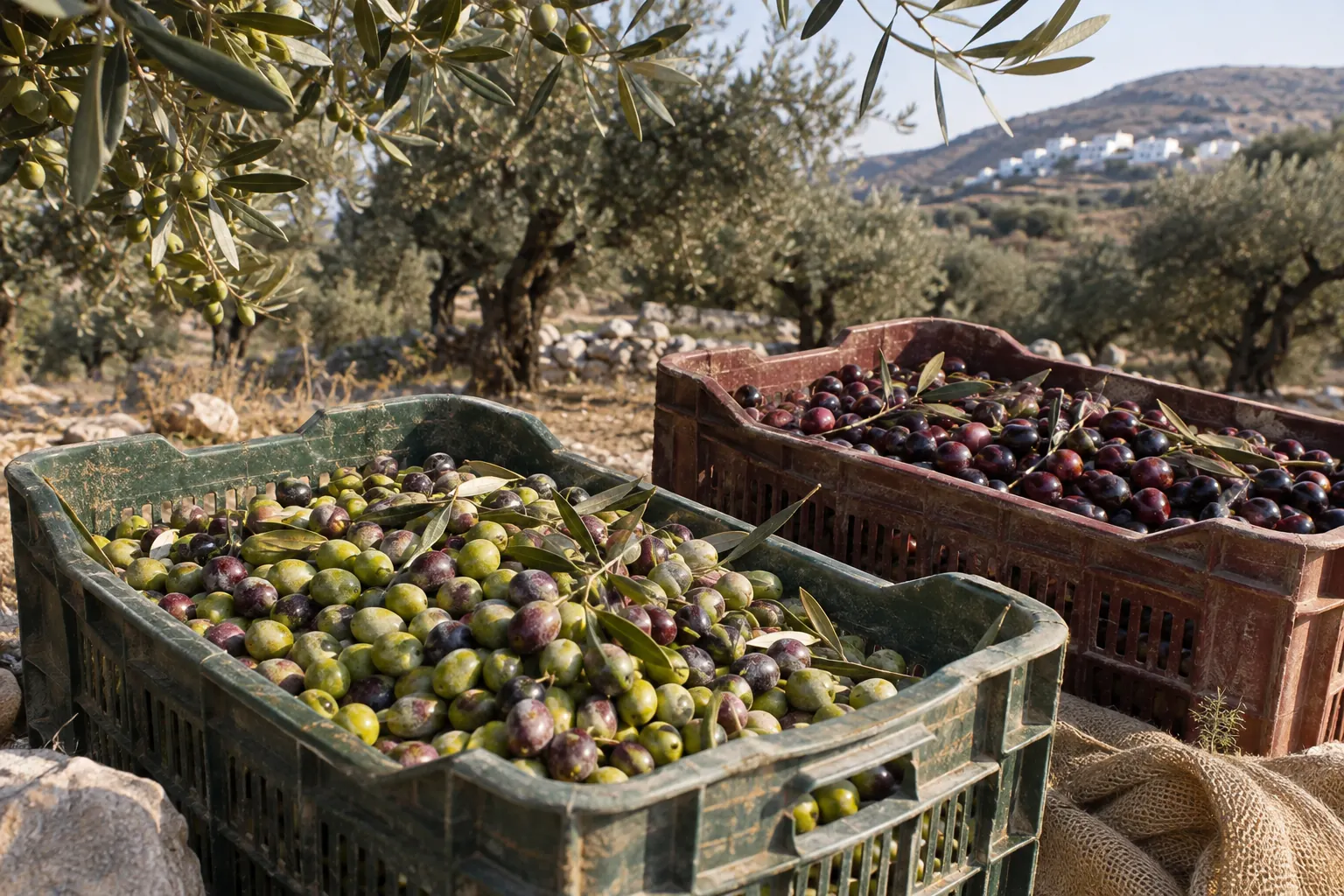
Two batches of extra virgin olive oil from the same producer can have different polyphenol levels. Some differences start on the tree. Others come from how the olives are milled, how the oil is stored and how it is tested.
Varieties have different phenolic profiles. Changing which olives go into a batch can change both the total and the mix of compounds in the oil.
Weather and water availability vary from year to year. Even fruit from the same grove can reach the mill with a different composition.
The phenolic profile changes as olives ripen. Harvesting on a different date can therefore change what ends up in the oil.
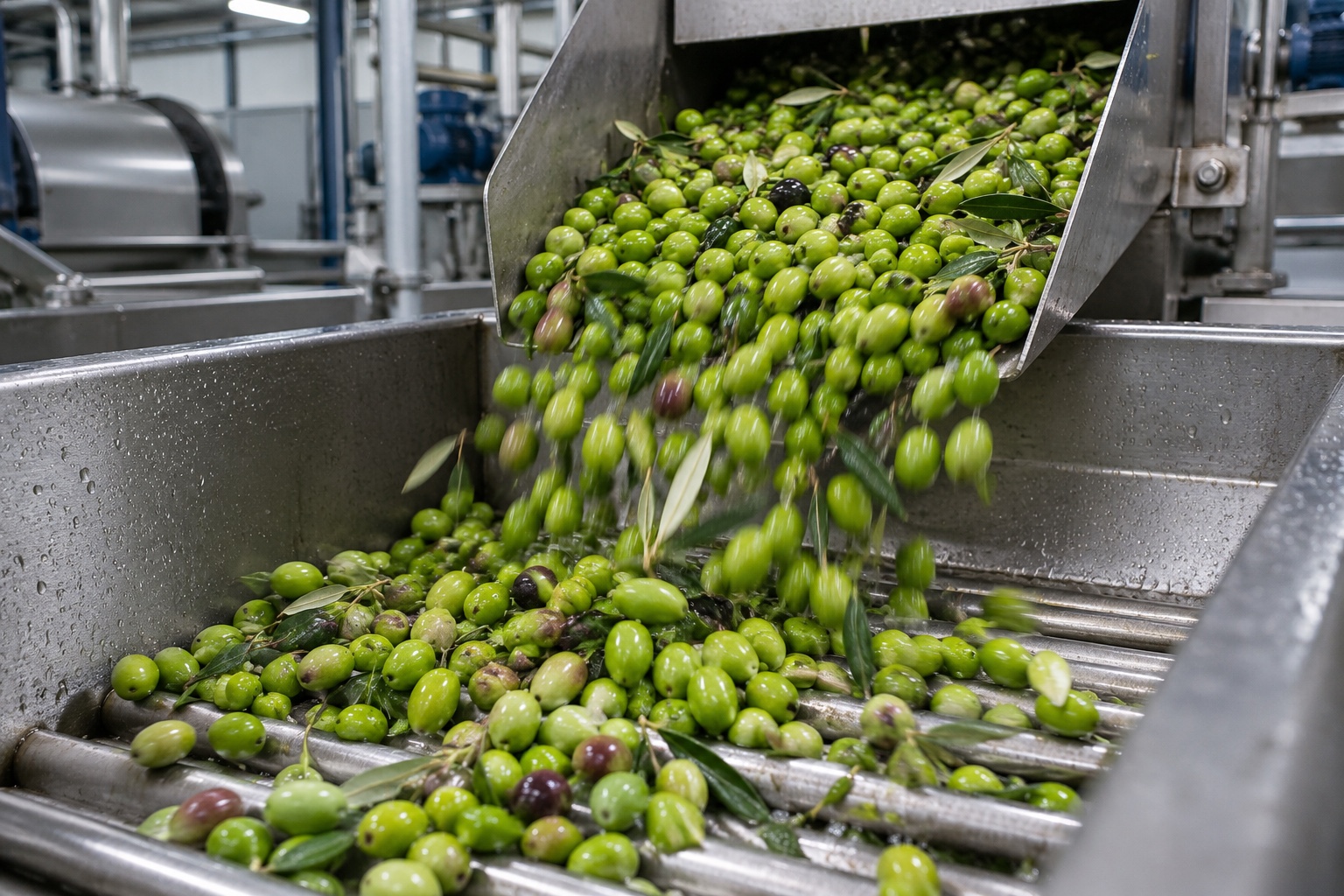
How the olive paste is mixed and how the oil is separated affect how much of its phenolic content makes it into the finished oil.
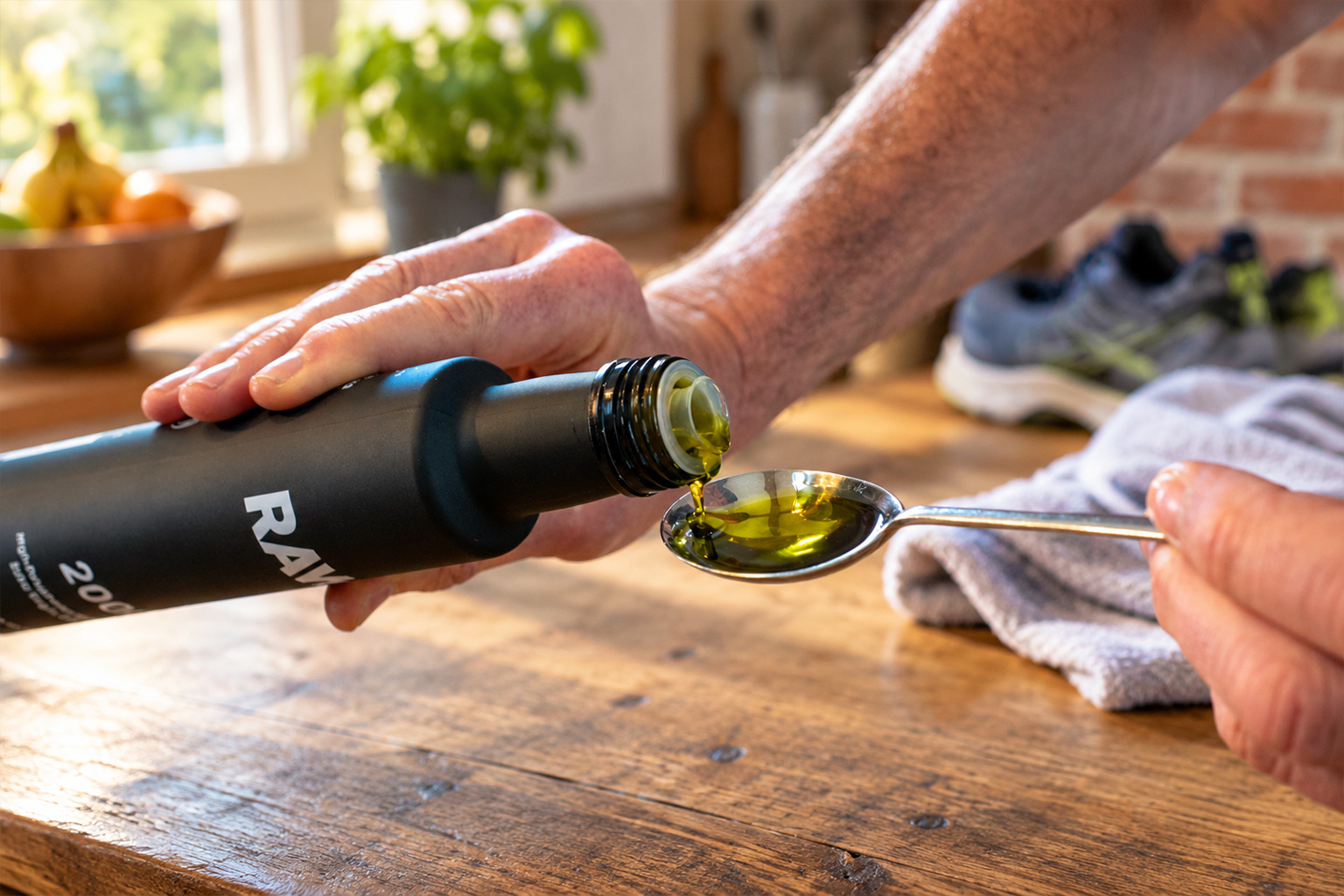
Phenolic compounds change during storage. Look for the test date and keep your bottle tightly closed, somewhere cool and away from direct light.
Different lab methods can report different totals. Check the batch number, test date and method on the report. If you’re comparing oils, start with figures measured using the same method.
Compare three strengths of batch-tested, high-polyphenol extra virgin olive oil.
Shop the range