NEW SEASON COMING SOON
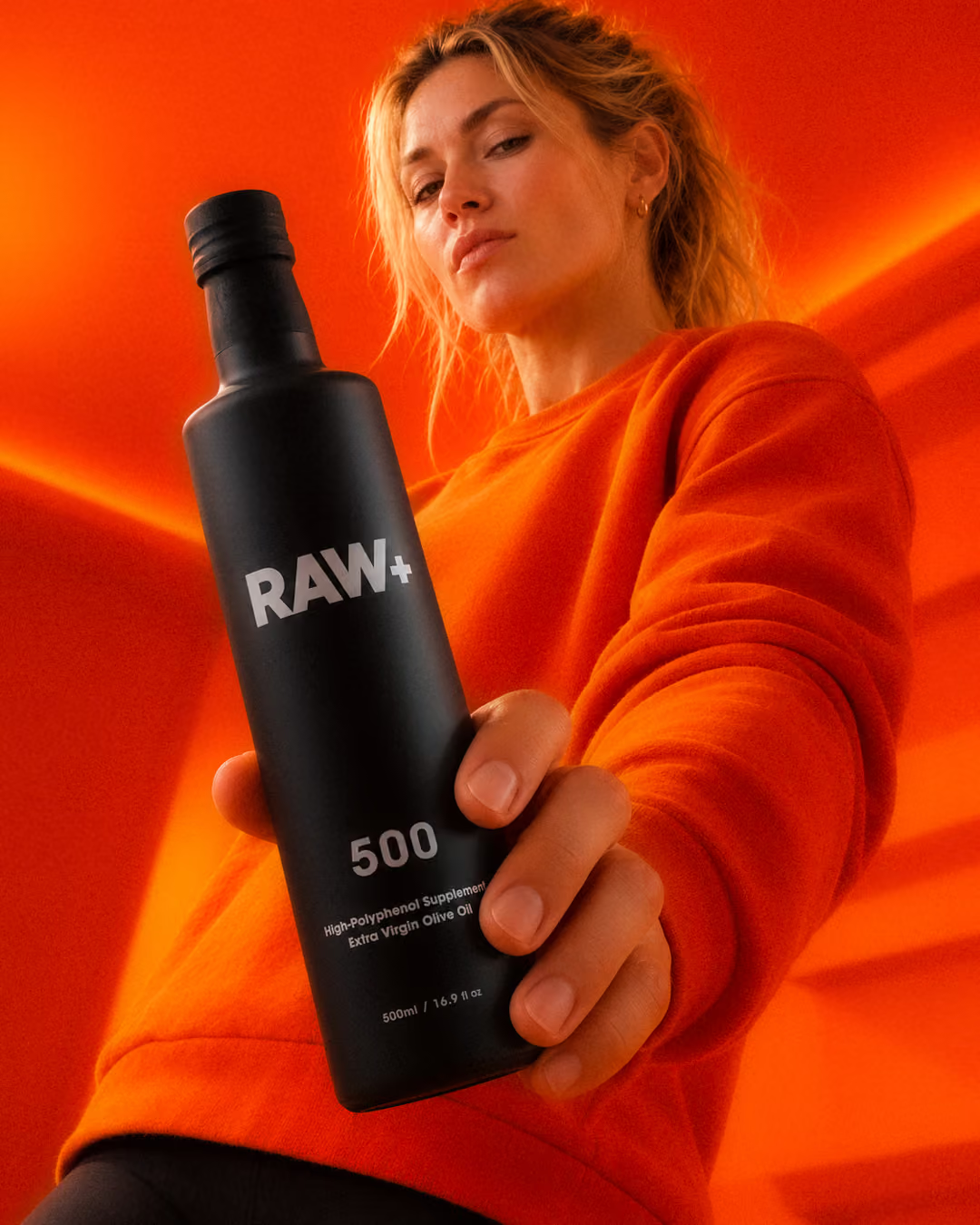
The last of this season’s RAW+® is now on offer.
The next harvest is on its way. Shop this season’s remaining RAW+® bottles at reduced prices while stocks last or join the waitlist to hear when the new season arrives.
The next harvest is on its way. Shop this season’s remaining RAW+® bottles at reduced prices while stocks last or join the waitlist to hear when the new season arrives.
Learn what extra virgin tells you, what a polyphenol figure adds, and how to compare the two when you shop.
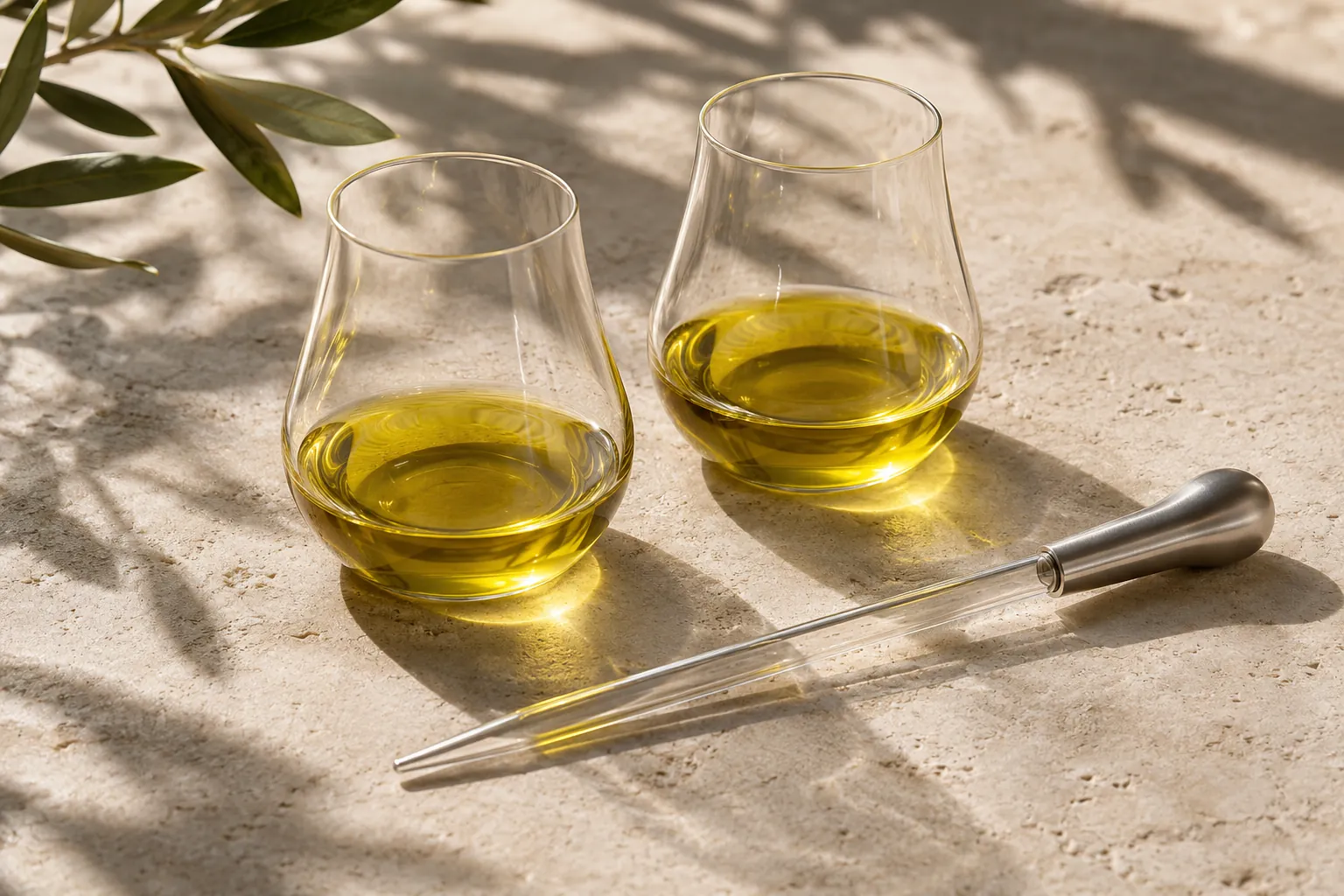
Extra virgin tells you the oil’s grade. High-polyphenol describes its concentration of naturally occurring plant compounds. An oil can be both, and the two descriptions answer different questions when you shop.
Extra virgin olive oil comes from olives by mechanical or other physical means and has to meet chemical and sensory criteria. For example, free acidity must be no higher than 0.8%, and the oil must meet the grade’s tasting standards.
Polyphenols are compounds that occur naturally in olives. The extra virgin grade itself does not specify how much of them an oil contains. If the concentration matters to you, look for a batch figure in milligrams per kilogram (mg/kg) and a dated report that explains what the lab measured.
Some extra virgin oils have a bitter edge or a peppery catch. Those characteristics can give you a sense of the flavour you’ll get, but your palate can’t put a number on the polyphenol content.
Start with the grade, then look for the bottle size, provenance and harvest or batch details. Where a brand publishes polyphenol figures, compare the same units and look for the same lab method. That gives you a fairer comparison across bottles.
Compare three strengths of batch-tested, high-polyphenol extra virgin olive oil.
Shop the range