NEW SEASON COMING SOON
The last of this season’s RAW+® is now on offer.
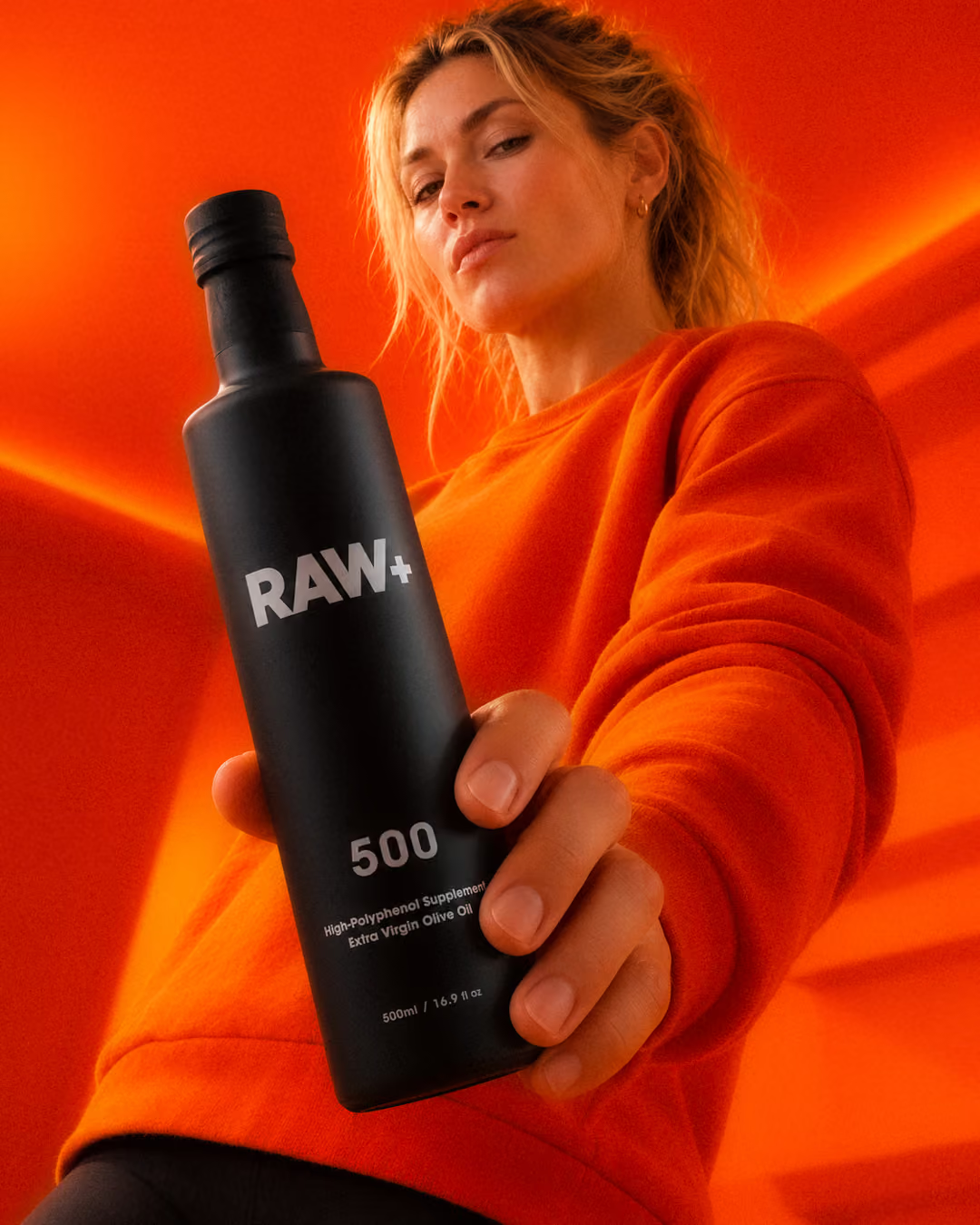
The next harvest is on its way. Shop this season’s remaining RAW+® bottles at reduced prices while stocks last or join the waitlist to hear when the new season arrives.
The next harvest is on its way. Shop this season’s remaining RAW+® bottles at reduced prices while stocks last or join the waitlist to hear when the new season arrives.
Olive oil belongs in a satisfying way of eating, even when you are paying attention to your weight. It contains energy, so a little planning helps. The question is how you use it across the day.
A tablespoon is roughly 15 ml. Measuring a serving gives you a clearer idea of how much you are using than pouring by eye. You can take it straight as your daily routine or add it to a meal.
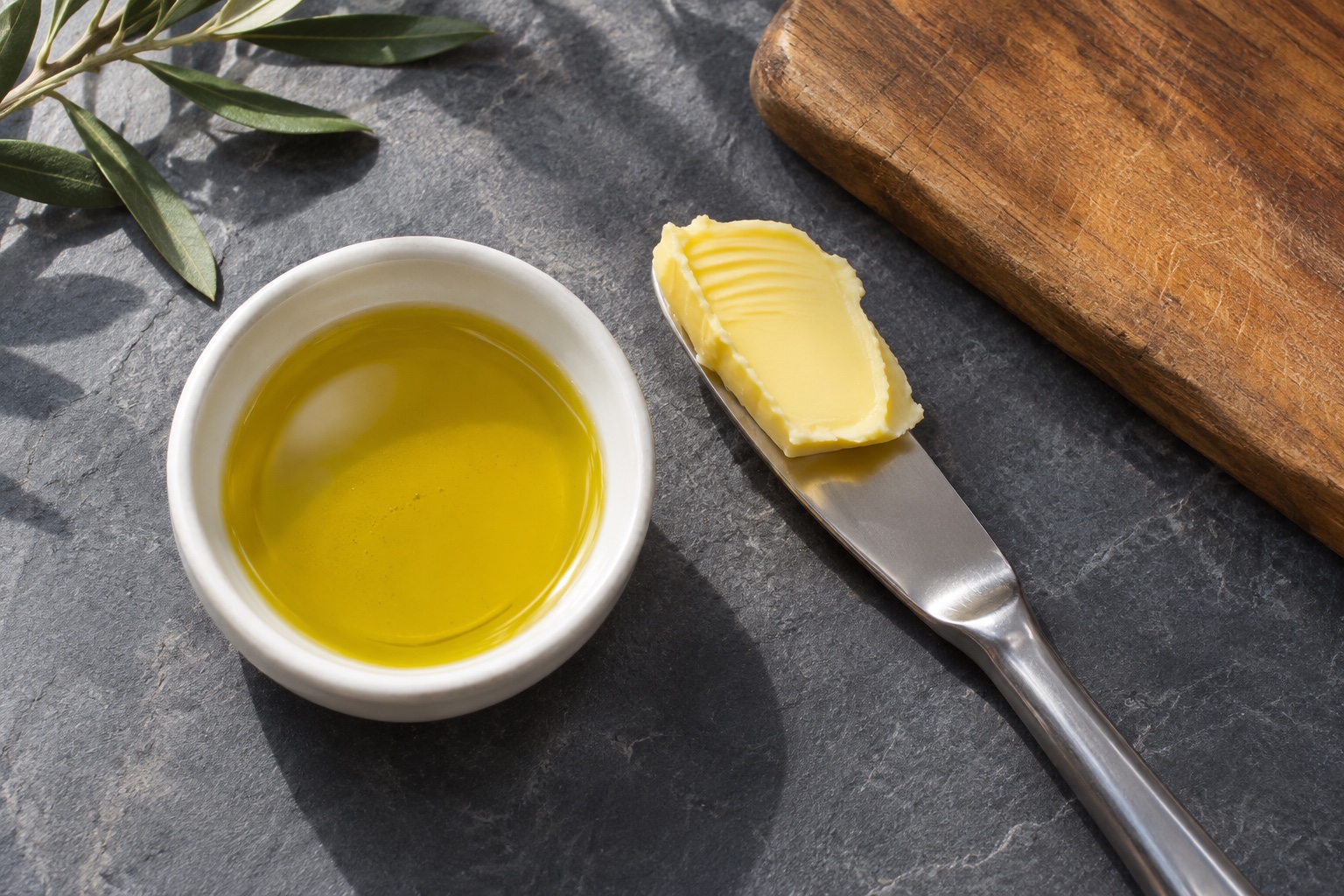
Try olive oil instead of butter on vegetables or a creamy dressing on salad. That makes it a useful swap within the meal, rather than an extra you have forgotten to count.
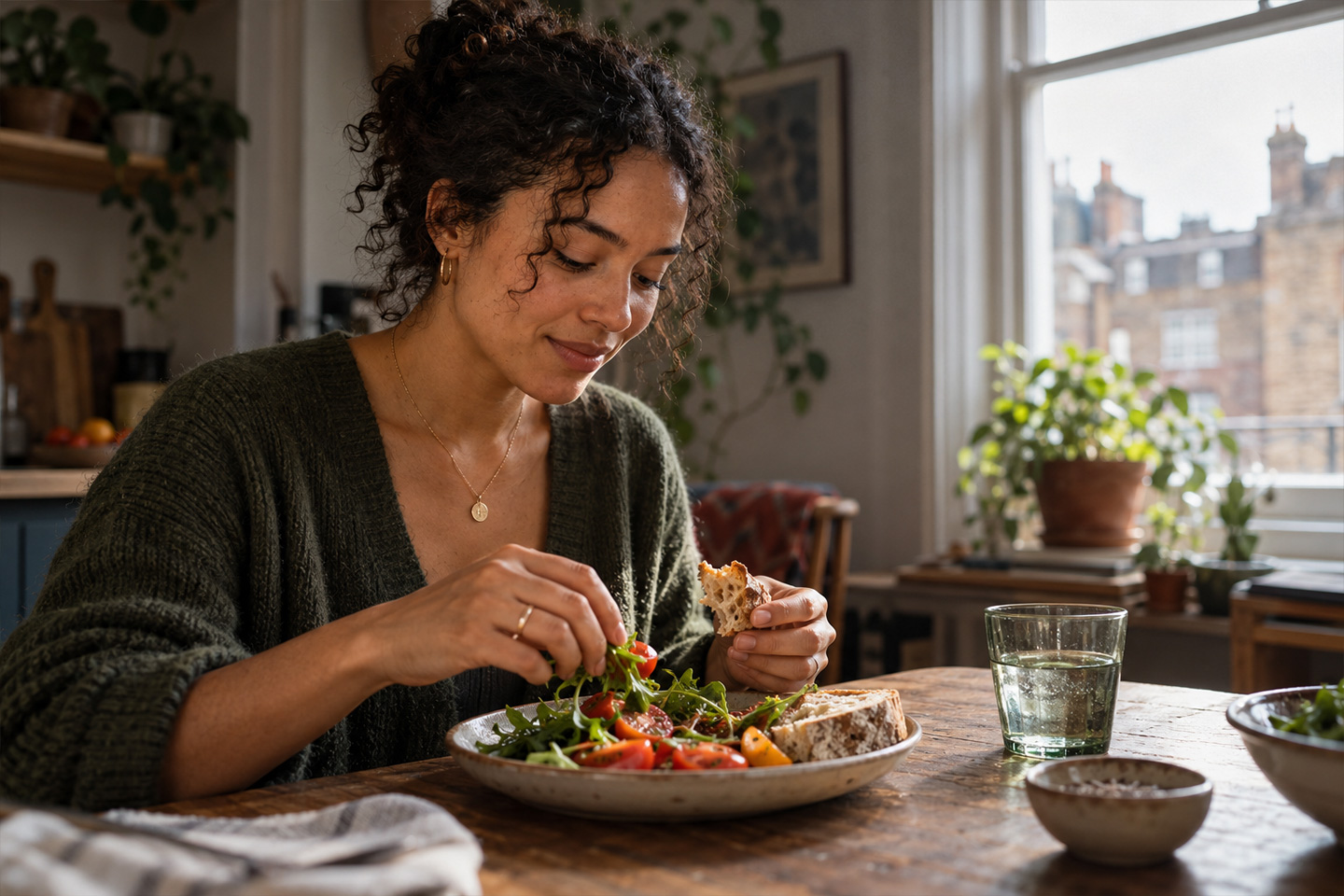
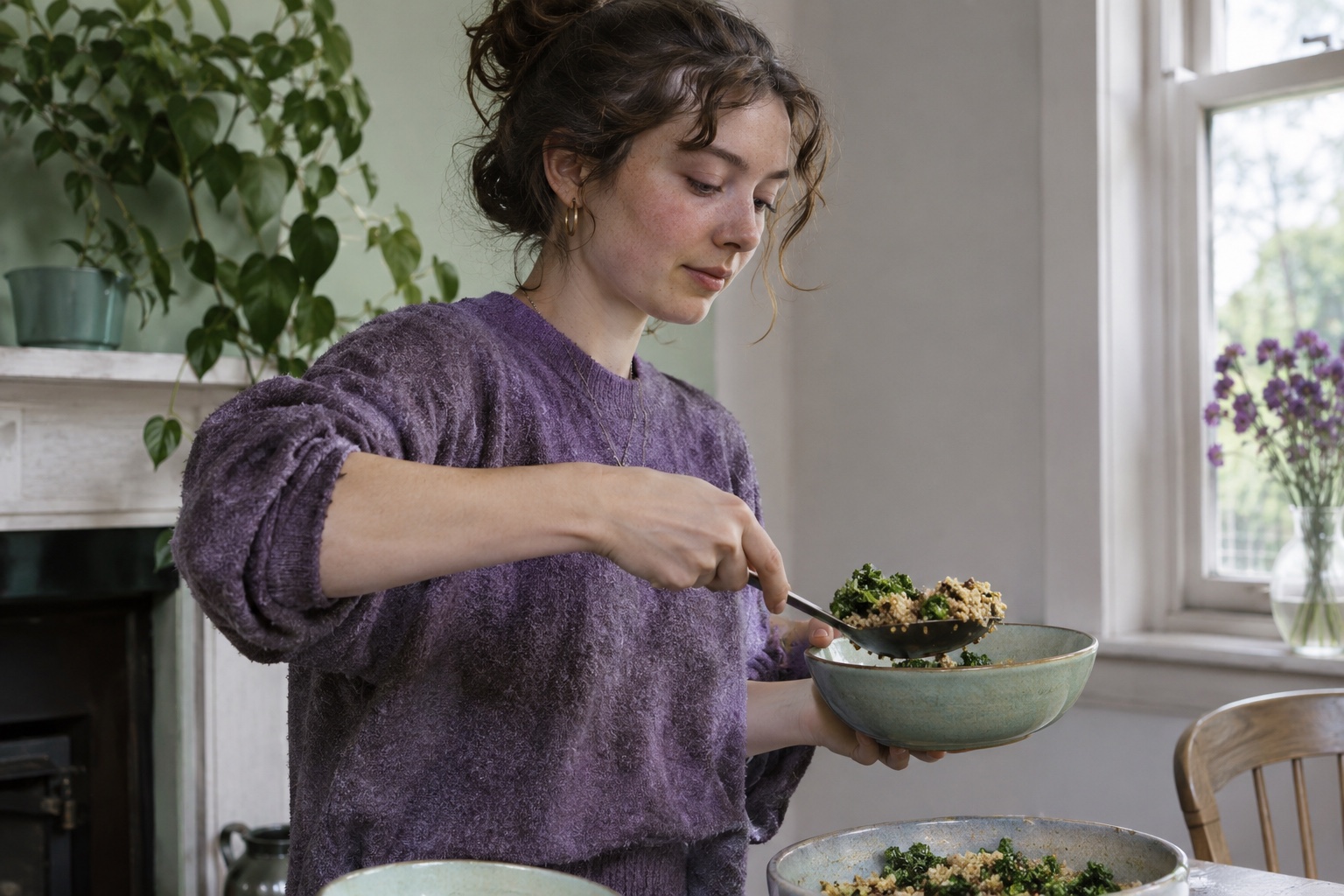
Beans, lentils, vegetables, whole grains and a source of protein do most of the work of making lunch satisfying. Olive oil brings them together and makes a meal you want to repeat.
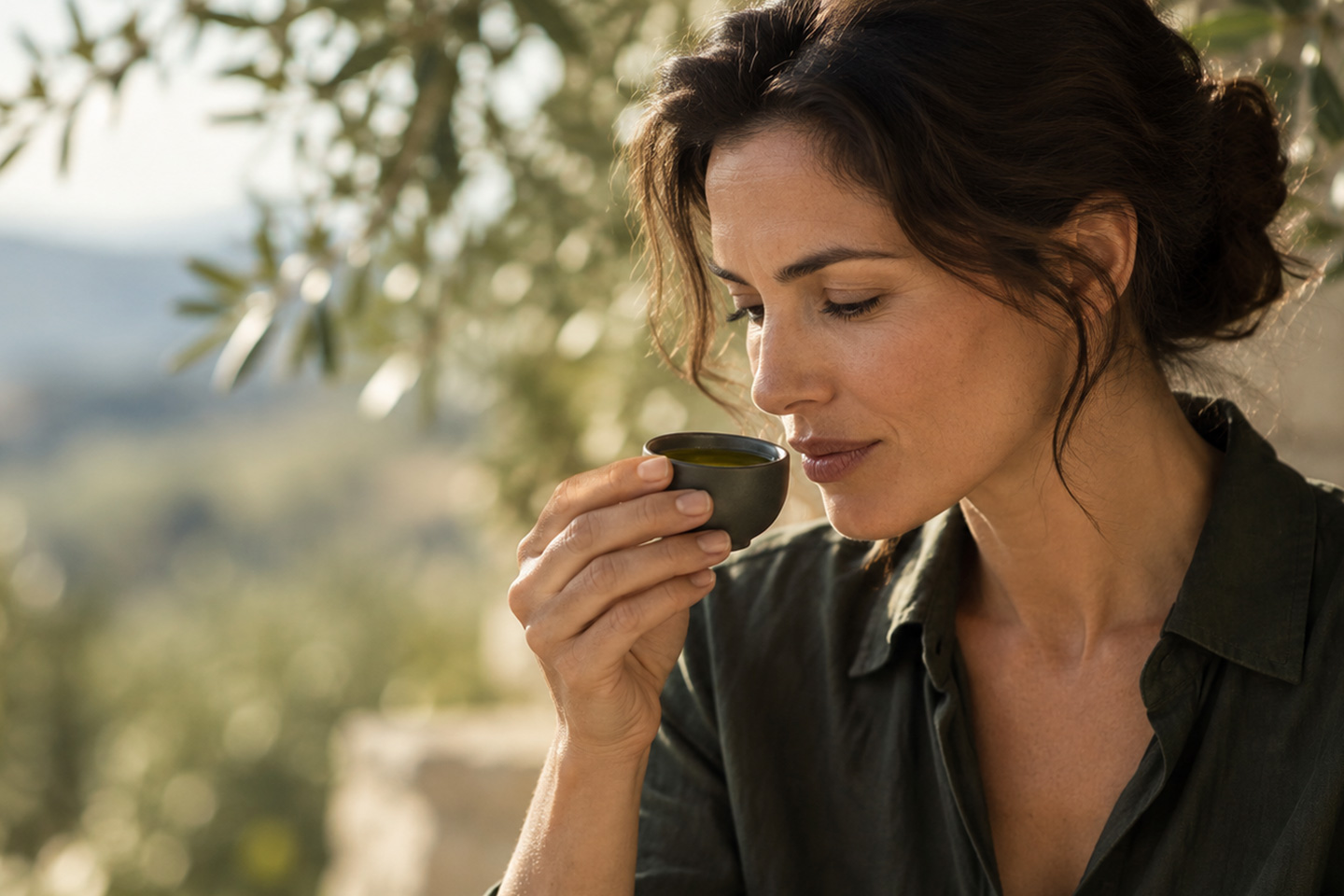
If you enjoy a measured daily shot, give it a place in your day and include it in the overall amount you use. A repeatable habit is easier to understand than several unmeasured pours.
A high-polyphenol oil is chosen for its naturally occurring olive compounds. Its polyphenol level does not change the fact that olive oil contains calories. Look for a current batch test if that concentration matters to you.
The wider evidence is reassuring: a review of randomised trials did not find that olive-oil-rich diets led to weight gain compared with lower-olive-oil diets. Your whole eating pattern still matters most.
Try this today: measure your olive oil, then use it to make a vegetable- and protein-rich meal you would happily eat again.
Compare three strengths of batch-tested, high-polyphenol extra virgin olive oil.
Shop the range