NEW SEASON COMING SOON
The last of this season’s RAW+® is now on offer.
The next harvest is on its way. Shop this season’s remaining RAW+® bottles at reduced prices while stocks last or join the waitlist to hear when the new season arrives.
The next harvest is on its way. Shop this season’s remaining RAW+® bottles at reduced prices while stocks last or join the waitlist to hear when the new season arrives.
Extra virgin olive oil can shape the early blood sugar response to some meals. Learn what the human evidence means and how to use it practically.
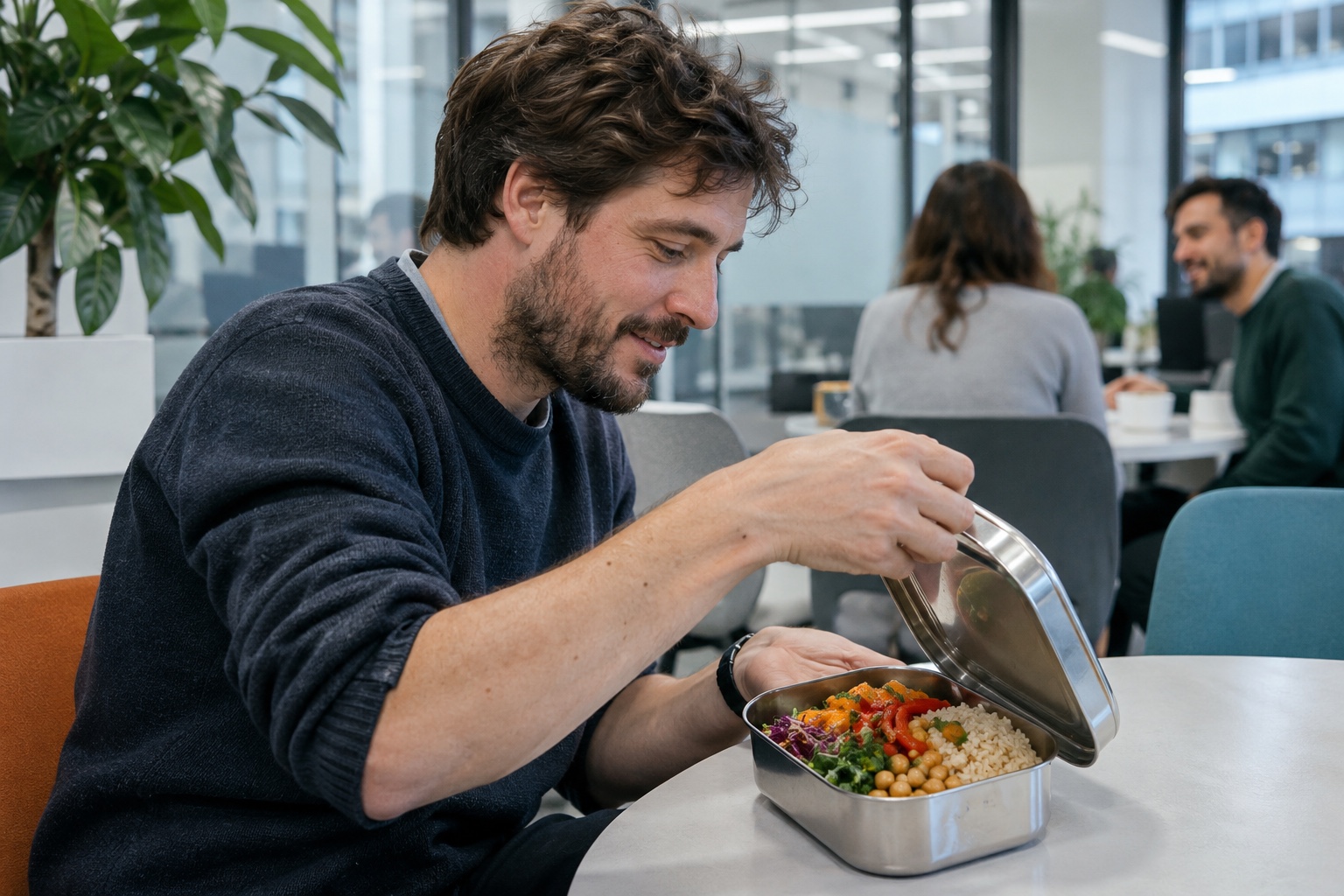
You finish a bowl of pasta, rice or toast and wonder what the meal will do to your blood sugar over the next few hours. Would adding extra virgin olive oil make any difference?
It can. Human studies suggest extra virgin olive oil can soften the early rise in blood glucose after certain higher-carbohydrate meals. The effect is not guaranteed for every meal or every person, but it gives us a useful principle: the same carbohydrate can behave differently depending on what you eat with it.
Blood sugar after eating is shaped most directly by the amount and type of carbohydrate in the meal. Fibre, protein, fat, portion size, activity and individual metabolism can change the shape and timing of the response too.
That is why a plate of white bread on its own is not the same meal as bread with vegetables, beans, protein and extra virgin olive oil. Olive oil contains no carbohydrate, and its fat becomes part of the mixed meal your digestive system has to process.
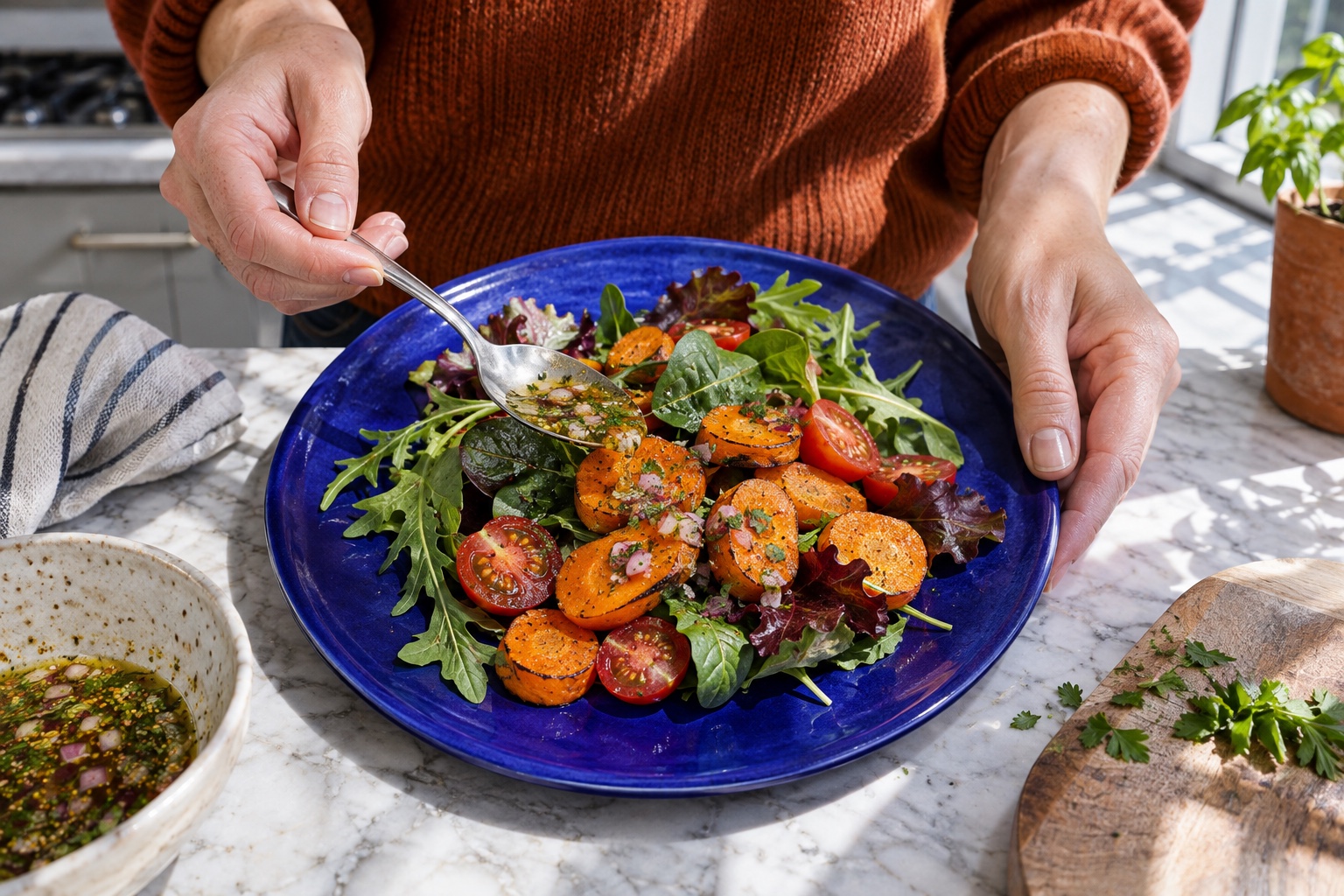
The practical takeaway is pleasantly ordinary: if you are eating extra virgin olive oil for its role in a meal, let it join the food rather than treating it as decoration.
Try it in combinations such as:
There is a difference between changing the curve after one meal and changing fasting glucose or HbA1c over months.
A 2026 systematic review and meta-analysis brought together 51 randomised trials involving 4,334 adults. Across the full set, olive oil did not produce statistically significant changes in blood glucose, insulin or HbA1c overall. The researchers did see a possible dose-related improvement in a marker of insulin resistance, but said the practical meaning needs more study. Explore the review.
You do not need to redesign your diet around a glucose graph.
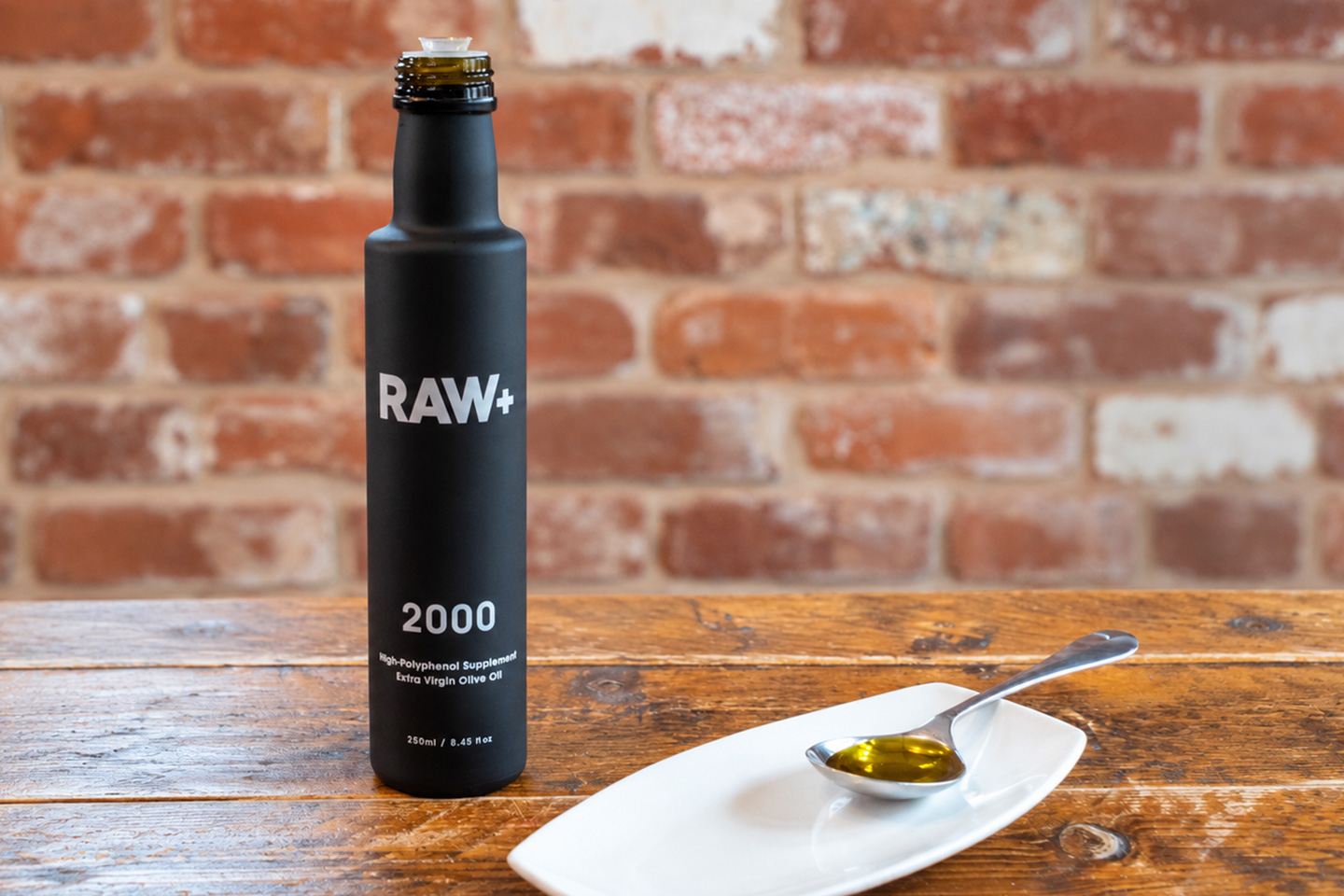
Start with one meal you eat often. Add vegetables or pulses, choose a less refined carbohydrate when practical, include a source of protein, and use extra virgin olive oil as the main added fat. If a measured daily shot helps you keep your olive-oil and polyphenol routine steady, place it beside something you already do every morning.
Compare three strengths of batch-tested, high-polyphenol extra virgin olive oil.
Shop the range