NEW SEASON COMING SOON
The last of this season’s RAW+® is now on offer.
The next harvest is on its way. Shop this season’s remaining RAW+® bottles at reduced prices while stocks last or join the waitlist to hear when the new season arrives.
The next harvest is on its way. Shop this season’s remaining RAW+® bottles at reduced prices while stocks last or join the waitlist to hear when the new season arrives.
Can extra virgin olive oil support joint health? Learn what human research says and how to build it into a practical Mediterranean-style routine.

You notice it on the stairs, after a long walk or when you stand up after sitting for too long. Your joints feel less willing than they used to, and you start wondering whether a better bottle of olive oil could genuinely help.
The useful answer is yes, with the right expectation. Extra virgin olive oil can be a valuable part of a Mediterranean-style way of eating that supports overall health and may help some people with inflammatory joint conditions feel and function better. Human research is more convincing for the whole eating pattern than for olive oil acting as a stand-alone remedy.
There is no single "joint food". Muscles, bones, tendons and joints all depend on the wider pattern of movement, sleep, body weight, medical care and nutrition.
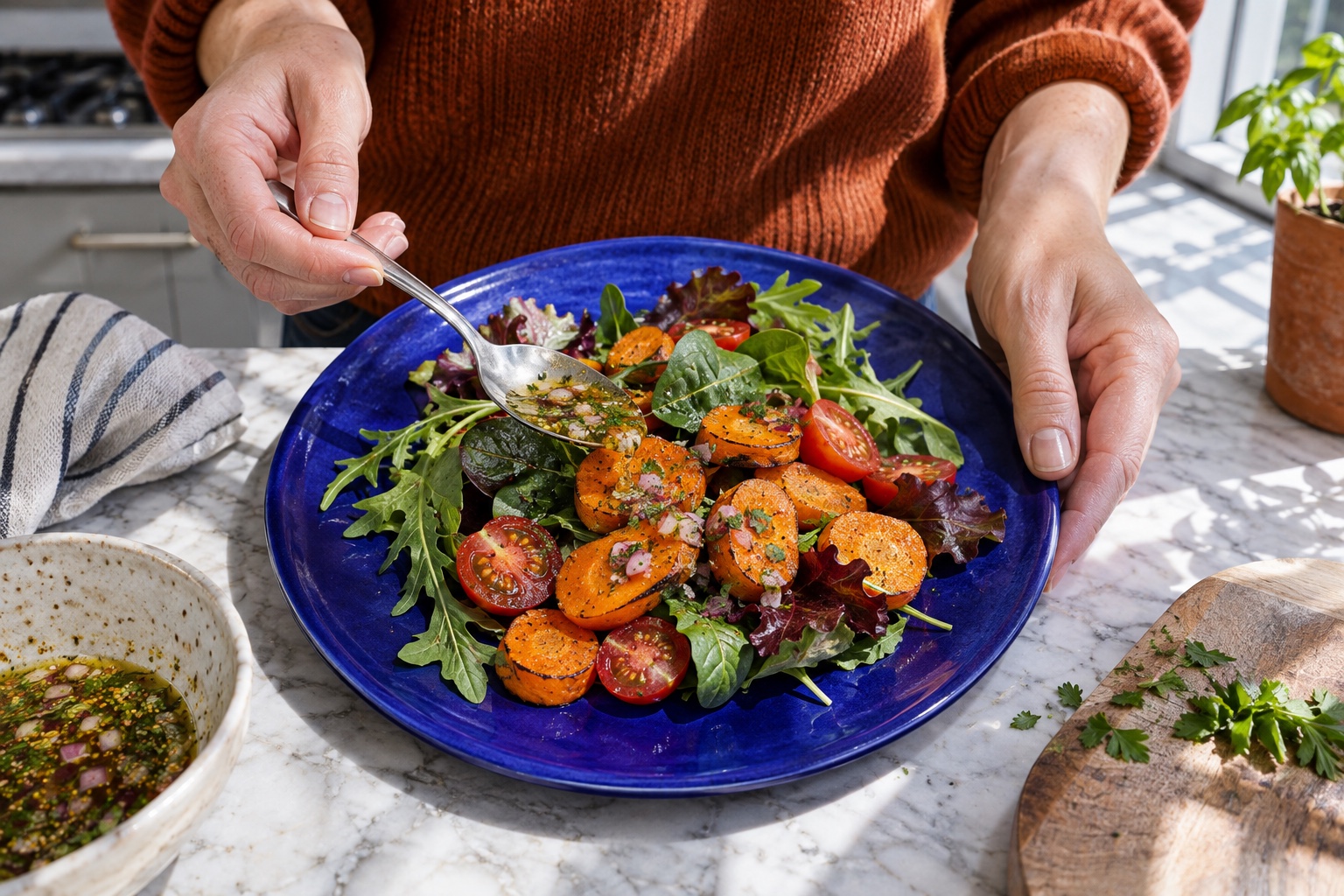
A Mediterranean-style diet brings several of those nutrition pieces together. It centres vegetables, fruit, beans, lentils, nuts, whole grains and olive oil, with fish and other minimally processed foods. Extra virgin olive oil matters because it is the main added fat and makes those plant foods easier to enjoy day after day.
The perfect eating plan is not much use if it disappears by Wednesday. Start with one repeatable change.
Extra virgin olive oil is a good fit for a joint-friendly diet because it helps make Mediterranean-style eating practical, enjoyable and repeatable. Some human studies in rheumatoid arthritis suggest that this overall pattern can improve pain and physical function, although the evidence is not strong enough to promise the same result for everyone.
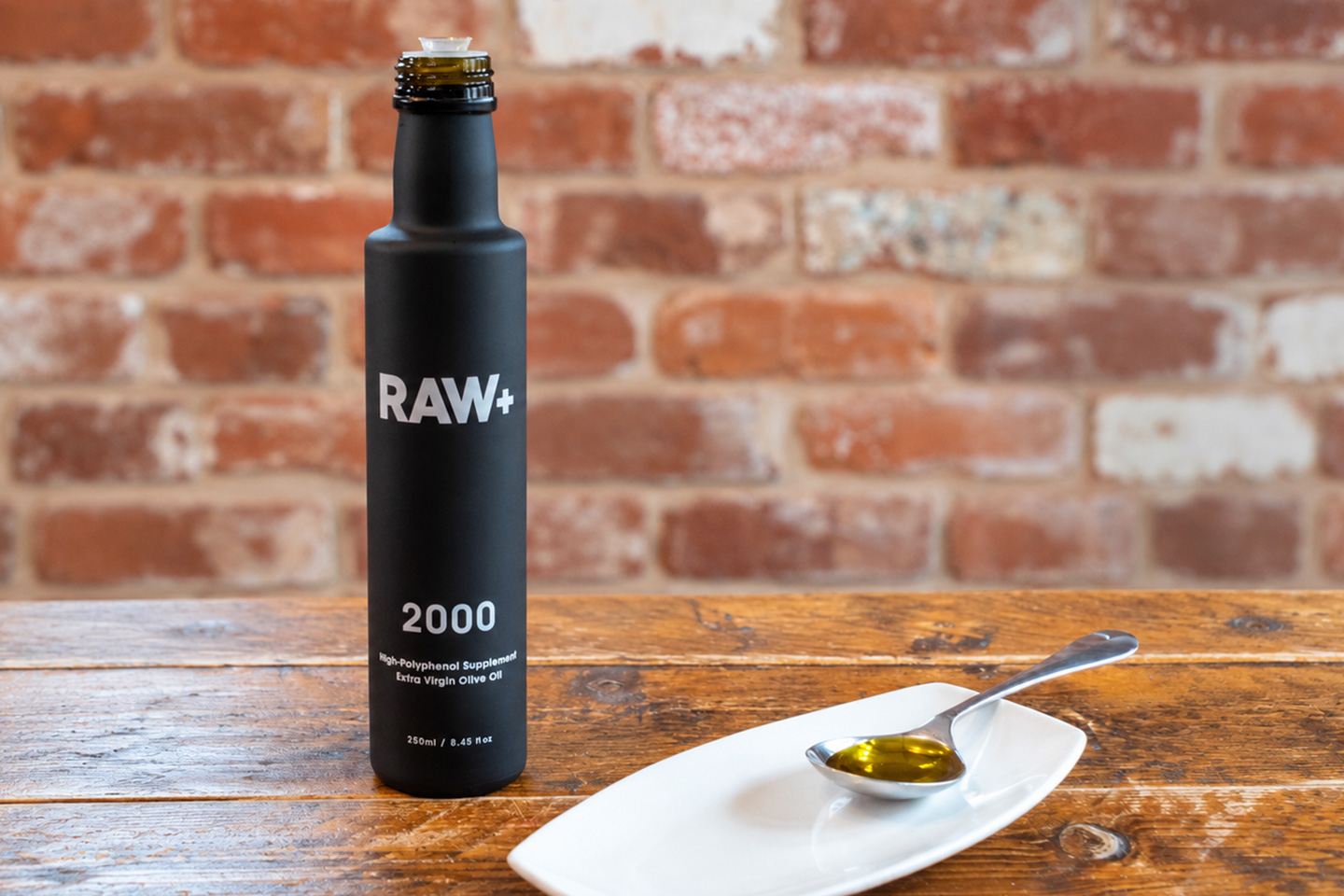
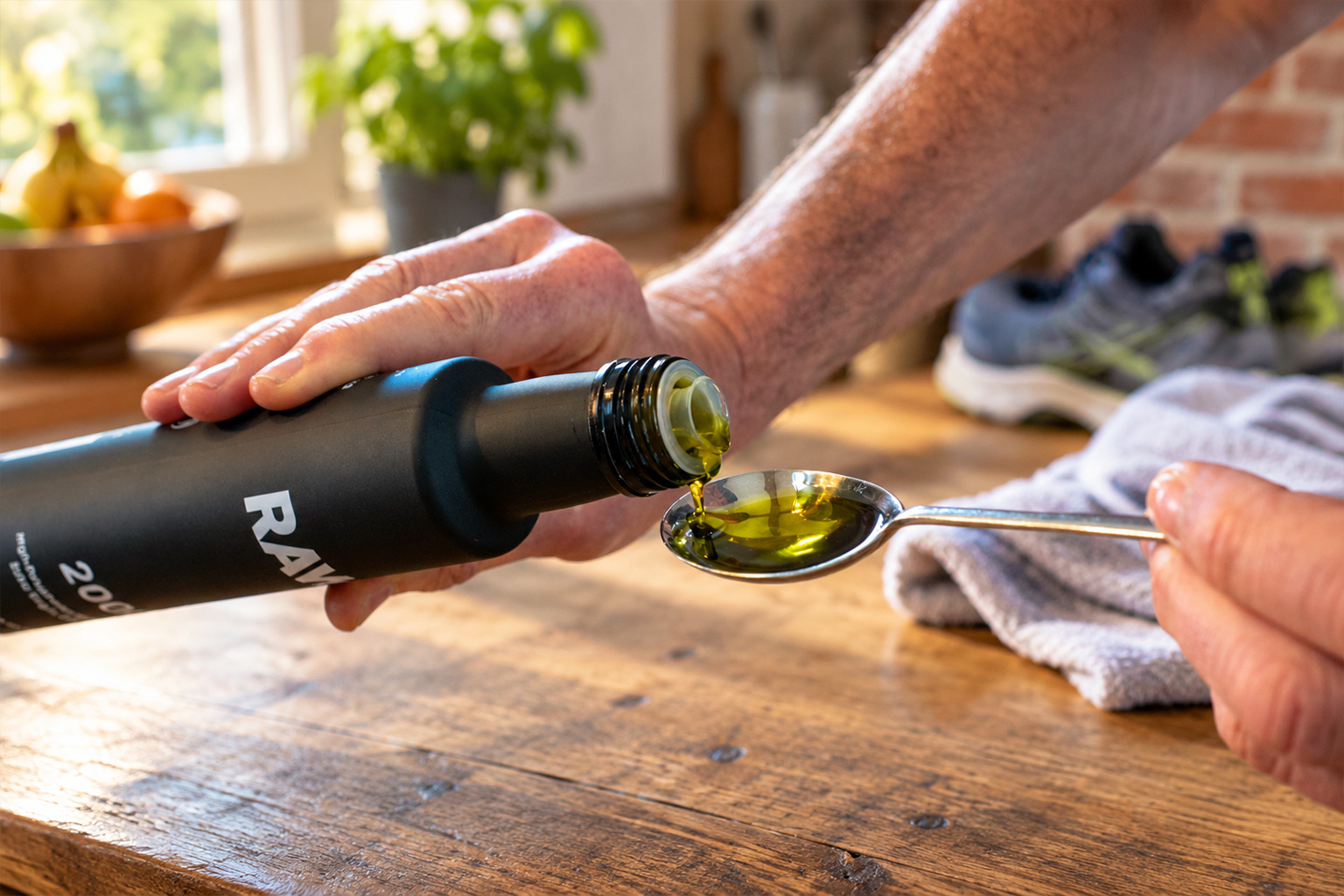
Use EVOO across meals, or choose a measured daily shot if that makes consistency easier. Then build around it with vegetables, beans, whole grains, nuts, fish and regular movement.
Compare three strengths of batch-tested, high-polyphenol extra virgin olive oil.
Shop the range